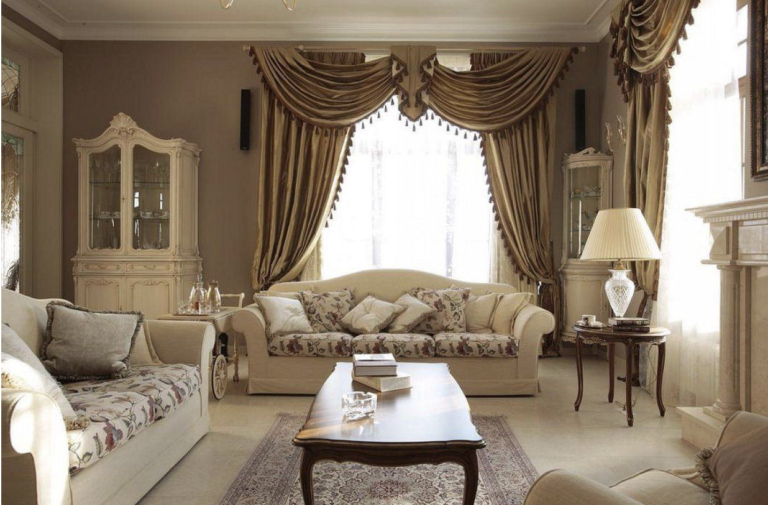
How to Add Visual Interest to a Room Without Changing the Layout
If a room feels flat, the instinct is often to blame the layout. People assume the space is too small, too narrow, or awkwardly shaped. But more often than not, the real issue isn’t where things are placed — it’s how the surfaces are working together.
You can keep the exact same footprint and still dramatically change how a room feels. Visual interest comes from contrast, texture, and intention, not from knocking down walls or moving plumbing.
Once you know where to look, small changes can do a surprising amount of heavy lifting.
Why Layout Is Rarely the Real Problem
Most modern homes have functional layouts. Furniture fits. Walkways make sense. Light enters the room just fine.
What’s missing is usually depth.
When walls, floors, and finishes are all smooth and uniform, the eye has nowhere to land. Everything blends together, even if the space is well furnished. That’s why rooms can feel “nice” but forgettable.
Instead of rearranging the room, it’s far more effective to adjust what the eye experiences as it moves through the space.
That’s where surfaces come in.
Start With the Largest Visual Planes
The biggest surfaces in a room do the most visual work:
- Floors
- Walls
- Built-in features like splashbacks or fireplaces
If these elements are completely neutral and flat, the rest of the room has to compensate. That often leads to overdecorating, which creates clutter rather than interest.
Introducing texture or pattern to just one of these planes can rebalance the whole space. For example, a detailed floor finish can ground a room without changing a single piece of furniture. This is where choices like Mosaic Flooring from GatherCo come into play, adding visual variation while leaving the layout untouched.
Use Texture Before You Use Colour
Colour gets most of the attention, but texture is often more effective — and more forgiving.
Texture adds interest even when colours stay neutral. It changes how light behaves throughout the day and gives surfaces a sense of movement.
Ways to introduce texture without overwhelming the room include:
- Textured tiles in a small zone
- Matte finishes paired with smoother surfaces
- Materials with natural variation, such as stone or handcrafted elements
Because texture doesn’t rely on bold colour, it tends to age better and feels less risky.
Create a Focal Point Without Creating Clutter
Visual interest doesn’t mean adding more objects. In fact, too many decorative items often dilute impact.
A focal point works best when it’s built into the room rather than placed on top of it. Think:
- A feature wall behind a bed or sofa
- A patterned splashback in an otherwise simple kitchen
- A defined flooring zone in an open-plan space
These elements guide the eye naturally. They don’t need explaining, and they don’t compete with furniture or artwork.
The key is restraint. One focal surface is usually enough to change how the entire room is read.
Break Up Flat Surfaces Strategically
Large uninterrupted areas can make a room feel dull, even if they’re clean and minimal.
Breaking them up doesn’t require construction. It can be as simple as:
- Using a different finish on the lower half of a wall
- Defining a transition between rooms with a change in flooring texture
- Adding subtle pattern where two surfaces meet, such as between bench and wall
These transitions give the room rhythm. The eye moves, pauses, and moves again, which makes the space feel more dynamic.
Let Light Do Some of the Work
Visual interest isn’t just about what you add — it’s about how light interacts with it.
Surfaces with variation reflect light unevenly. This creates shadows and highlights that shift throughout the day, making the room feel alive without any effort.
If a space feels flat, ask:
- Does light hit anything with texture?
- Are all surfaces reflecting light the same way?
- Is everything either fully glossy or completely matte?
Mixing finishes helps light create contrast naturally, which adds depth without clutter.
Think in Layers, Not Objects
A common mistake is trying to fix a flat room by adding more décor. Cushions, artwork, and accessories help, but they shouldn’t be doing all the work.
Instead, think in layers:
- Structural layer: floors, walls, built-ins
- Furniture layer: large functional pieces
- Detail layer: décor and personal items
If the first layer is doing its job, the other two don’t need to work as hard. The room feels finished earlier, with fewer items.
Make One Confident Choice
Rooms often lack interest because every decision was made cautiously. Safe choices across the board lead to spaces that don’t offend — but don’t inspire either.
You don’t need multiple bold elements. One confident surface choice can anchor the entire room.
Ask yourself:
- Where does the room feel emptiest?
- Which surface do I notice the least?
- What single change would add depth without dominating?
Answering those questions usually reveals where visual interest is missing.
Small Changes, Big Impact
Changing a layout is expensive, disruptive, and often unnecessary. Visual interest, on the other hand, can be introduced thoughtfully and selectively.
By focusing on surfaces, texture, and how light interacts with the space, you can completely change how a room feels — without moving a wall or rethinking the floor plan.
When a room starts to feel intentional rather than accidental, it’s rarely because the layout changed. It’s because someone paid attention to the details that quietly shape how the space is experienced.